
Coaching a Team with Mixed Skill Levels
Discover how coaches and parents can structure practices that support youth athletes at all skill levels—beginner, intermediate and advanced—inclusively and effectively. From station design to peer mentoring and scaffolding, this blog offers expert‑backed strategies to elevate every player and strengthen the team.
11/25/20254 min read
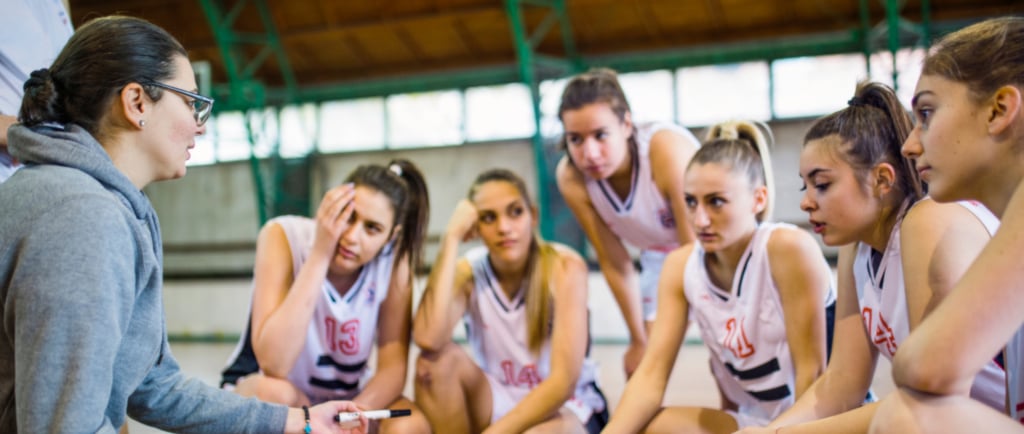

Coaching a youth sports team where athletes are at different levels is like orchestrating a play where some actors are veterans and others are making their first appearance. The challenge is real: How do you keep the rising stars challenged, the newcomers engaged, and the whole team moving forward together? The answer lies in intentional practice design, smart structuring, and inclusive culture. Get this right and you’ll have a practice where everyone grows—without feeling left behind or held back.
Why Mixed Skill Level Practices Need Special Attention
Studies have shown that the practice environment plays a critical role in how young athletes engage and learn. For example, a review of youth sport practice literature found that coaches who structured sessions to engage all athletes—regardless of skill—created better learning environments and higher athlete satisfaction.
Another relevant concept is the Challenge Point Framework, which states that learning is maximized when tasks are suited to the athlete’s current skill level, the task difficulty, and the environment. In other words: If a drill is too easy for a veteran, they’ll zone out. If it’s too hard for a beginner, they’ll feel overwhelmed. The sweet spot is right between comfort and struggle—and it shifts depending on each person’s level.
With this in mind, you can see the risk: One‑size‑fits‑all practices work for neither skill group optimally. So let’s dive into how you can plan and structure practices that meet the moment for multiple levels.
Structuring a Practice That Supports All Players
Here’s a breakdown of an approach you can use—complete with timings, breakouts, and roles that help integrate different skill levels.
1. Warm‑Up & Activation (10‑15 minutes)
Start with activities that everyone can do—regardless of level—to build collective energy and focus. For example, dynamic mobility, light skill circuits, or partner drills.
Tip: Pair a higher‑skilled athlete with a beginner for part of the warm‑up—this gives the veteran a leadership role and the beginner some peer modeling.
2. Mixed Skill Stations (20‑25 minutes)
Break practice into stations. At each station, vary the tasks so each station has a base version for newer players and a “challenge version” for advanced players.
For instance:
Station A: Pass & move around cones. Beginner version: 4 cones, slow pace. Advanced version: 6 cones + fake move.
Station B: Defensive slide. Beginner: mirror partner’s pace. Advanced: react to a light/turn cue.
Research on skill‑focused practice in youth sports found that using station models improves engagement and accommodates larger groups while maintaining high activity levels.
3. Breakout Groups by Skill Level (15‑20 minutes)
Now split the group: one breakout focuses on advanced tactics or skills, the other focuses on foundational work or remediation for those who need it.
Tip: Rotate groups every few weeks so no player is forever “in the beginner group.”
4. Team Play with Mixed Groups (15‑20 minutes)
Bring everyone back together for a game or scrimmage. This is where the mixed‑level magic happens—newer players are challenged, veterans support and lead.
Important: Set roles based on actual contribution, not just skill. A veteran player might be asked to “mentor our weaker side” and a beginner might be given “first pass responsibility.” This fosters ownership and inclusion.
5. Cool‑Down & Reflection (5‑10 minutes)
Finish with a full group debrief. Ask: What did we do well today? What was hard? What’s one thing we’ll try differently next time? This reflection reinforces focus on growth and gives everyone a voice.
Coaching Mindset & Behaviors That Make the Difference
1. Individual Progress Over Comparison
Avoid labeling players as “good” or “not yet good.” The resource from the Positive Coaching Alliance emphasizes that labeling limits an athlete’s development and can undermine motivation. Instead, celebrate each athlete's progress, however small.
2. Scaffold Skill Development
Use instructional scaffolding—giving players support early on, then gradually removing it as they grow. For instance, early in the season you might do a guided drill where everyone must follow a template. Later, you remove guides and let players make choices.
3. Communicate Expectations Clearly
When players of varying levels know they’re expected to contribute and improve (not just keep pace), they’ll stay engaged. Make sure you explain: “Your role today is this,” and recognize each role regardless of skill.
4. Encourage Peer Mentoring
Newer players often learn fastest from slightly more advanced peers. Consider narrowing some peer‑pairing within drills: veteran helps beginner, with coach rotating oversight. This builds a culture of ownership, connection, and learning for both sides.
5. Monitor Intensity & Engagement
Not all practices are equal. According to applied sport psychology resources, athletes need goal‑driven practice intensity—not just showing up. If someone is disengaged, you’ll see it. Use these moments to adjust.
Tips for Parents Supporting Mixed‑Level Practices
Understand the structure: Ask your coach how they handle different skill levels in practice.
Encourage your child’s role: Whether they’re a beginner or advanced, help them see how they contribute.
Celebrate effort: On both ends of the spectrum, praise growth, not just “who’s best.”
Talk about value: “I liked how you helped at the station today,” or “Great effort on that drill—even when you didn’t get it perfect.”
Keep perspective: Mixed‑level teams are showing real development. It’s not about being the best today—it’s about growing together.
Why This Approach Yields Better Outcomes
When practice is designed for all levels and executed with intention, the benefits are wide:
Better engagement for all players (less drop‑off for “weaker” players)
More challenge for advanced players (they don’t feel bored or under‑stimulated)
Stronger team cohesion—everyone feels valuable
Greater long‑term development because each athlete gets what they need
Research shows that practice environments structured to involve all participants effectively promote positive experiences and learning outcomes.
