
Finding the Right Push: How Coaches Should Encourage Hard Work (Without Going Too Far)
Find out how coaches and parents can push youth athletes in a way that builds skill, confidence, and motivation without burnout — a smart, science‑backed guide to encouraging
1/7/20265 min read
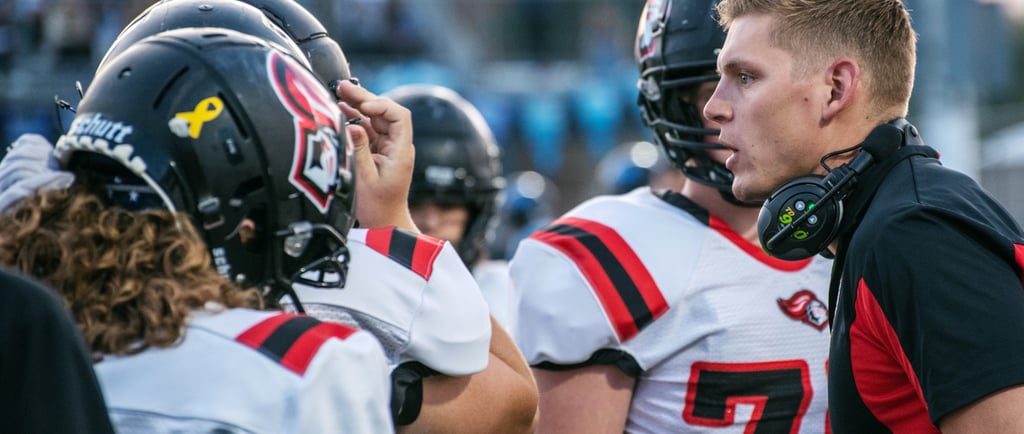
Let’s face it: we all want our young athletes to improve — to grow in confidence, to sharpen skills, to learn how to work hard even when it’s uncomfortable. But somewhere along the way, many coaches (and parents) get tangled up in one big question:
How hard should I be pushing?
At what point is “push” actually harmful?
How do I walk that fine line between challenging and overwhelming?
This blog is for every adult who wants to raise resilient, motivated, and confident kids — not just obedient ones who fear correction or thrill only for praise. The key isn’t pushing more — it’s pushing smart.
Why “Push” Matters — But Only When Done Right
Push doesn’t mean yelling louder.
Push doesn’t mean longer practices.
Push doesn’t mean doing more drills without purpose.
At its best, push is about encouragement, challenge, and growth opportunity.
Research in youth sports psychology suggests that effort and mindset — not innate talent — are the most reliable predictors of long‑term success and enjoyment in sports. A study from Frontiers in Psychology found that athletes with a growth mindset — the belief that abilities are developed through effort — had higher motivation and resilience than those without it.
In other words: kids need to learn how to work hard, not just what hard work looks like.
But here’s where it gets tricky. Too much push — without support — leads to burnout, injury, anxiety, and even quitting. According to the American Academy of Pediatrics, overtraining and excessive pressure are major risk factors for both physical injury and emotional burnout in young athletes. That means you can be enthusiastic about encouraging effort… but you must be thoughtful about how and when you do it.
Rethinking “Push” — What It Really Means
Before we go further, let’s reset what we mean by “push.”
When you push a player, you’re not trying to break their spirit or force them into a predetermined mold. Instead, you’re helping them:
Step outside their comfort zone just enough to grow
See effort as a choice, not a punishment
Learn that mistakes are part of learning
Build confidence through mastery and effort
Connect today’s work to tomorrow’s performance goals
Push should feel like supportive challenge, not stress without relief.
A helpful way to think about “push” is the concept of optimal challenge — giving athletes tasks that are not too easy (boring) and not too hard (frustrating), but just right for their skill level and developmental stage.
How Much Push Is Too Much?
Here are some real warning signs that push has crossed a line:
1. Practice Becomes Punishment
When a player dreads practice, complains about fatigue consistently, or begins associating sport with anxiety instead of engagement, that’s a red flag. Sport should still feel fun, even when it’s challenging.
2. Rest & Recovery Are Ignored
Pushing without recovery is like hammering a nail with no breaks. Overuse injuries, chronic exhaustion, and performance plateaus are common signs that the training load is too high.
The American Orthopaedic Society for Sports Medicine notes that young athletes should have at least one day off per week from organized sport to prevent overuse injuries.
3. Emotional Well‑Being Is Overlooked
If kids are more worried about pleasing adults than enjoying the sport itself … if they fear making mistakes … if they’re stressed by perfection demands … that’s too much push and not enough psychological support.
When push becomes pressure without purpose, it stops being development and turns into stress.
So… What Is the “Right” Push?
Answer: It’s push that is intentional, supportive, balanced, and linked to clear goals. Let’s break that down.
Tip #1: Push With Purpose — Link Effort to Clear, Realistic Goals
Kids want to know why they’re being asked to do something. Instead of vague commands like “Work harder!”, try connecting effort to outcomes:
“Let’s focus on controlling the ball this week — that’ll help you be more confident in games.”
“Practice this one pass 10 times because that’s how we reduce turnovers.”
“We’ll work on your footwork so you feel ready the next time you’re in position.”
When a player understands the point of the push, they’re far more likely to engage willingly and feel proud of the effort they put in.
Tip #2: Prioritize Quality Over Quantity
More drills doesn’t equal more improvement. Focused reps with purposeful feedback are far more effective than endless unstructured repetition.
For example:
Instead of 30 minutes of general scrimmage, do 10 minutes of targeted feedback work on one skill.
Instead of saying “keep practicing”, say “let’s perfect this movement 5 times and talk about what you noticed.”
Quality beats quantity every time — and kids internalize growth faster when they see specific improvements.
Tip #3: Build in Recovery and Self‑Reflection
Even adults need recovery days — and kids do too.
Studies on youth athletes show that rest and reflection are essential for skill acquisition and mental well‑being. It’s during downtime that the brain consolidates learning, and the body rebuilds stronger.
So in your plans, intentionally block:
Light days
Active rest (fun, unstructured movement)
Reflection days (journaling, conversations about progress)
Social/team bonding that isn’t skill‑focused
Think of it as “productive downtime” that keeps the drive alive.
Tip #4: Tailor the Push to the Individual
Remember: every athlete on your roster is different. Some thrive on verbal encouragement. Others respond best to calm instruction. Some need more repetition than others. Some learn through demonstration; others through play.
Great coaches adapt. You don’t give the same cue to a 9‑year‑old rookie and a 14‑year‑old veteran. You shouldn’t push them the same way either.
Ask:
What motivates this player?
What frustrates them?
Where do they need confidence boosts?
What pushes them too far?
When you meet players where they are — not where you think they should be — your push becomes guidance rather than pressure.
Tip #5: Model What Hard Work Feels Like and Doesn’t Feel Like
Kids learn by watching adults. If you yell, get frustrated, or show stress around effort, they’ll internalize that.
Instead:
Model calm intensity — determination without anger
Celebrate improvement, not perfection
Share your own learning moments (“I struggled with that too — here’s what helped me…”)
Normalize mistakes as data, not drama
This kind of modeling builds psychological safety — which is a must if kids are going to take risks and push themselves.
Tip #6: Use Encouragement — Not Just Correction
When a kid gets something right — even halfway right — call it out:
“I saw your focus on that last rep—that’s growth.”
“Great hustle recovering back on defense.”
“I like how you didn’t give up there.”
Studies on youth coaching indicate that athletes perform better and enjoy the sport more when positive reinforcement significantly outweighs negative feedback — ideally a 3:1 positive to negative ratio.
Yes, you still correct errors — but only as part of a bigger, constructive conversation.
Tip #7: Prepare Parents to Understand the Right Kind of Push
Parents play a huge role in how kids interpret effort and coaching. If parents communicate things like “You have to be better than everyone” or “You need to make the travel team,” that creates a pressure push — which is very different from a growth push.
As a coach:
Invite parents into the process
Explain what type of effort you value
Share goals and expectations
Ask them to reinforce encouragement at home
When coaches and parents speak the same language around push and progress, kids win.
Pushing for Growth = Pushing With Purpose
Here’s the core truth:
You should push youth athletes — but not blindly.
You should challenge them — but not overwhelm them.
You should motivate effort — but not make outcomes the only measure of worth.
The right push:
Builds confidence
Enhances skill
Strengthens resilience
Fosters joy
Teaches kids how to handle discomfort with grace
The wrong push:
Causes burnout
Creates fear of failure
Reduces motivation
Damages confidence
Turns sport into stress
Your goal — as a coach or supportive parent — is to help kids love the process of improvement, not just the shiny trophy at the end.
When you push with purpose, empathy, and strategy, you build more than athletes. You build people who know how to work, how to grow, and how to rise after a fall.
And that’s a win no matter what the scoreboard says.
