
Helping Emotional Kids in Youth Sports: How Coaches & Parents Can Lead Through Big Feelings
Kids in sports experience big emotions like fear, anger, and frustration — but with the right strategies from coaches and parents, those moments become opportunities for growth. This blog offers expert-backed insights on navigating emotional reactions in youth athletics with compassion, structure, and lifelong learning.
1/21/20265 min read
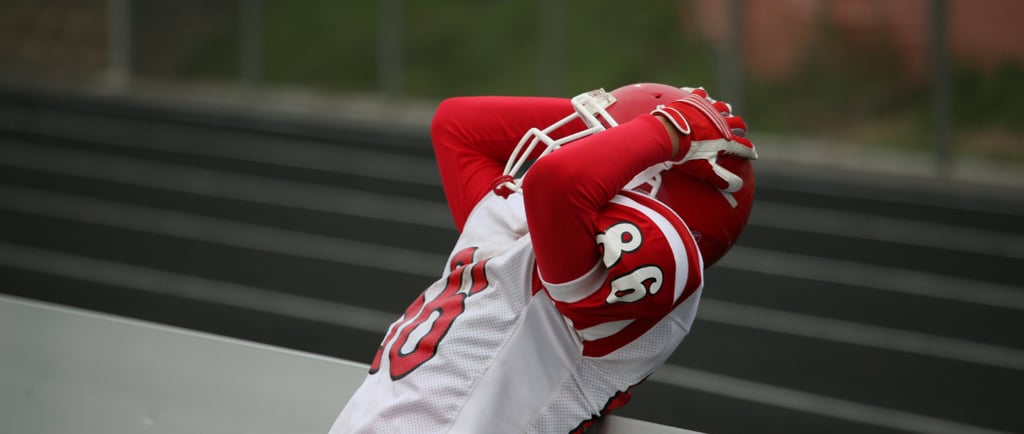

If you’ve spent any amount of time around youth athletics—whether as a coach in the dugout, a parent on the sideline, or a family carpooling from practice to games—you’ve experienced it: the emotional avalanche that sometimes comes with playing sports. One minute a kid is smiling, nailing a play, or telling you “I’m ready!” and the next minute they’re angry, sad, defeated, or overwhelmed by fear.
And while we might wish every practice and game went smoothly, the reality is that big emotions and youth sports go hand in hand. That’s because children aren’t just learning how to hit a ball or understand a playbook — they’re learning how to handle pressure, failure, success, disappointment, expectations, identity, teamwork, and stress all at once.
The good news? These emotional moments aren’t something to fear — they’re opportunities. But only if we know how to respond as coaches and parents.
This blog is your map for doing just that.
Why Kids Have Such Big Reactions in Sports
Often, strong emotions in kids are not about the game itself — they’re about what the game represents. Competing in sports can trigger feelings related to:
Belonging – “Do I fit with this group?”
Identity – “Am I good enough?”
Worthiness – “Do my parents/coaches value me?”
Fear of failure – “What happens if I let everyone down?”
From a psychological standpoint, youth athletes are still developing their emotional regulation systems. The parts of the brain that control impulse control, self‑soothing, and stress response — like the prefrontal cortex and limbic system — are not fully mature until early adulthood. That means a big reaction isn’t a choice so much as a stage of development.
It’s also worth noting that intense emotional reactions are normal. According to research in Developmental Psychology, children and adolescents often experience stress and emotional outbursts during competitive activities because they are still learning how to cope with both internal expectations and external pressures.
Understanding that kids simply feel bigger helps us approach these moments with compassion and intention — rather than frustration.
The Most Common Emotional Responses in Youth Sports
Before diving into strategies, let’s unpack the big emotions you’ll likely encounter:
Fear & Anxiety
Kids might be afraid of:
Making mistakes
Losing approval from coaches or parents
Letting the team down
Getting hurt
Being judged by peers
A nervous player may freeze, avoid eye contact, hesitate at practice, or even refuse to play.
Frustration
Frustration often appears when expectations (self or external) don’t match performance. It might look like:
Complaints and “I can’t do this”
Slamming equipment
Giving up mid‑task
Eye‑rolling or sarcasm
Anger
Anger can be external or internal:
Kicking a ball or throwing gear
Yelling at a coach, teammate, or official
Internal seething or sulking
Sadness & Discouragement
This may show up as:
Tears after a loss or mistake
Withdrawal from teammates
Quiet, flat affect
Disinterest in practice
Each of these emotional expressions is a signal — not misbehavior — and they each deserve a different kind of response.
What Coaches Can Do: Emotion First, Skill Second
The best coaches don’t just teach technique. They teach resilience, perspective, and emotional regulation. When a child is overwhelmed by emotion, trying to teach X’s and O’s right away is like asking them to solve a math problem while standing on a shaky ladder.
Instead, do this:
1. Validate the Feeling First
When a player is emotional, it’s tempting to jump to solutions immediately. But first, validate:
“I can see you’re really upset right now.”
“It’s okay to feel nervous — that shows you care.”
Kids need to feel heard before they can be coached.
According to developmental psychology, emotional validation helps children feel safe, which in turn lowers their stress response and allows them to shift into problem solving.
2. Separate Identity from Performance
Kids often equate their performance with their value:
“I missed that play, so I’m bad.”
“I didn’t start, so I’m not good.”
As a coach, you can disrupt this pattern by saying:
“Missing a play doesn’t make you a bad athlete — everyone misses sometimes.”
Reframing performance from identity, especially after an emotional moment, is powerful and long‑lasting.
3. Offer Guided Emotional Regulation
Kids don’t naturally know how to calm their minds—so teach them.
Simple tools that work well in a practice context include:
Deep breathing (“Let’s take five slow breaths together.”)
Breaks (ask them to step aside, get water, shake it off)
Positive self‑talk cues (“Say to yourself: ‘I can do hard things.’”)
These techniques are echoed in sports psychology research as effective for helping athletes of all ages manage pressure and anxiety.
What Parents Can Do: Support Without Taking Over
Parents play a powerful role in shaping how kids respond to emotional stress in sports. Too often, a parent’s instinct is to fix it — jump in and say, “Don’t worry about that!” or “You’re fine, it’s just a game!” But that kind of dismissal can short‑circuit emotional growth.
Instead:
1. Sit With the Feeling
If your child is emotional after a game, allow a moment of empathy first:
“I’m so sorry that was tough. I can see how much it mattered to you.”
This kind of response tells them their emotions are okay — and that they are supported, not judged.
2. Model Healthy Emotional Regulation
Kids learn by watching adults. If you react to a bad call with anger or shame a mistake, you’re teaching that emotional response as a strategy.
Instead:
Use calm language
Model deep breathing
Discuss setbacks as data, not disasters
In fact, research in Journal of Applied Sport Psychology shows that parental modeling of healthy emotional responses significantly influences how children cope with stress in sport.
3. Ask Reflective Questions
After the moment has settled, help your child reflect rather than rationalize:
“What were you feeling right before that happened?”
“What do you think you want to try next time?”
Letting them own their process — rather than telling them what to do — helps them build emotional intelligence.
Specific Scenarios & How to Handle Them
When a Player Freezes from Fear
Fear often looks like avoidance — reluctance to step into action, hesitation, or staying quiet.
Best response:
Acknowledge the fear (“It’s okay to feel nervous.”)
Break the task down into tiny steps
Celebrate effort rather than outcome
Example:
Instead of “Go take that shot,” try “Let’s take one step toward the ball, then one controlled touch, then the shot.”
This reduces overwhelm and builds experience with success — slowly but surely.
When a Player Explodes with Anger
Anger is often adrenaline + frustration. When a child throws gear or lashes out verbally:
Step in calmly
Remove them from the heat of the moment
Validate the feeling without reinforcing the reaction (“I hear you’re mad. Let’s talk when things cool down.”)
Set clear expectations that behavior matters even when emotion is real
Kids who are allowed to vent — within safe boundaries — learn that emotions are okay but actions still matter.
When a Player Shuts Down
Some kids don’t outwardly explode — they withdraw. This can be equally distressing.
In these cases:
Use one-on-one conversation off the field
Ask nonjudgmental questions
Provide gentle encouragement and specific action steps
Kids who shut down often need reassurance that they are supported, not abandoned, in their struggle.
Long‑Term Emotional Growth: Coaches & Parents Working Together
Handling big emotions isn’t a one‑time fix. It’s a process built on:
Safety
Validation
Predictable structure
Clear expectations
Ongoing reflection
Here’s how coaches and parents can collaborate:
Share insights: If a parent notices fear triggers at home, tell the coach. If a coach sees frustration spikes after certain drills, share that with the parent.
Consistency matters: Kids benefit when messages at home and at practice are aligned.
Celebrate progress: Recognize emotional growth as much as technical improvement.
Youth sports aren’t just about developing athletes. They’re about developing people — resilient, self‑aware, emotionally intelligent humans.
Final Thought: When We Handle Emotions Well, Everyone Wins
Kids aren’t “too emotional” — they’re learning how to be emotional human beings in a world that pushes competition, performance, and results.
As coaches and parents, our job isn’t to erase emotions — it’s to give young athletes the tools to understand them, manage them, and grow from them. What often looks like “just a meltdown” is actually emotional leadership practice — for them and for us.
