
How to Keep Your Youth Team Engaged and Sharp During the Off Season
Discover how to turn long breaks and off‑seasons into your team’s secret weapon with fun, low‑pressure strategies that keep players engaged, improving, and excited to return.
12/7/20254 min read
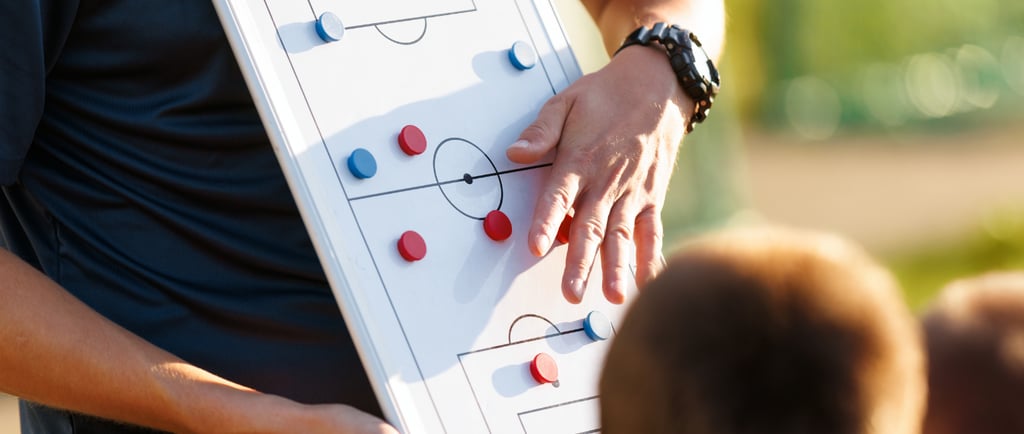
Summer’s over, fall season has ended, or maybe it’s just a long winter break — and suddenly, the field is quiet, the gym is empty, and the sound of cleats echoing across the court disappears. For many youth athletes, that gap can feel like a timeout — and without structure, that timeout easily slides into disengagement. But with a smart plan, off‑season or break periods don’t have to be a lull. They can be some of the most important — and growth-packed — stretches of the year. For coaches and parents, these breaks are an opportunity to build strength, sharpen skills, reignite motivation, and deepen team culture.
Here’s how to turn downtime into “level-up” time for your team.
Why Off‑Season and Breaks Matter — More Than Just Rest
Kids don’t just need off‑seasons for fun or recovery — the off‑season plays a critical role in long-term development. When used strategically, this time can:
Help young athletes build strength, flexibility, agility, and endurance. Off‑season training helps maintain and even improve physical conditioning, reducing injury risk when the season starts back up.
Allow focus on fundamental skills and technique — often without the pressure of competition. Athletes can refine mechanics, fix flaws, and build a stronger base for growth.
Give mental breathing room. Sports can be a lot — games, competition, travel, performance pressure. Breaks offer a chance for kids to rest physically and reset mentally before the next cycle.
Maintain engagement and prevent “rust.” Complete inactivity over long breaks often leads to declines in fitness, coordination, and skill — meaning kids have to re-learn or re-build before the next season starts.
A well-managed off‑season doesn’t just preserve what kids already have — it helps them grow stronger, more versatile, and more confident for what’s ahead.
Structure & Strategy: Planning Your Off‑Season Like a Coach
Having a loose “do‑whatever” off‑season rarely works. Instead of letting kids drift, a great plan gives them guidance and freedom at once — without pressure.
1. Build a Flexible “Off‑Season Game Plan”
Define a few core goals for the break: mobility / flexibility, general strength, sport‑specific skills, endurance/stamina, and optionally, mental/leadership work.
Design 2–3 short sessions per week (30–45 minutes) — keep them light, fun, and varied. Overuse and overtraining can happen even outside competition.
Allow alternate-day recovery or “active rest” — easy movement, play, or fun cross‑training activities (cycling, swimming, free-play). Balance is key to avoid burnout or injury.
2. Focus on Fundamentals & Athleticism Over “Game‑Day Skills”
Use off‑season to strengthen base athletic qualities that are often neglected during busy seasons:
Mobility, flexibility, core strength, balance, stability — all essential for injury prevention and long-term athletic development.
Coordination, agility, speed, endurance — especially helpful if kids are growing, changing body shapes, or playing multiple sports.
Sport‑specific skills — but with a focus on repetition, low-pressure drills, and technique over results (for example: ball‑handling, footwork, basic defensive/offensive moves).
3. Keep It Low Pressure, But Structured Enough to Maintain Momentum
Because there are no games or tournaments to “make or break,” motivation can fade fast. Here’s how to keep it alive:
Set short-term, achievable challenges (“record your fastest sprint time this week,” “complete 100 dribbles a day for five days”).
Incorporate fun, creative drills — think obstacle courses, games, partner challenges, or alternate sports (swim + basketball + agility ladder).
Build variety. The brain and body adapt quickly to repetition — mixing up activities keeps things interesting and helps all‑around athleticism.
4. Use Off‑Season to Build Team Culture & Connection
Though you won’t have games, you can keep community alive:
Virtual or small‑group check‑ins (video call, group chat) to share progress, drills, or just stay connected.
Optional “skill share” sessions: kids can show a drill or move they invented or mastered. Encourages creativity and peer learning.
Fun challenges or friendly competitions — agility ladder races, “home‑court” contests, or trick‑shot videos.
When kids stay connected to teammates and the team’s identity, they’re more motivated to stay engaged even without official practices.
For Parents: How You Can Support (Without Becoming the Drill Sergeant)
As a parent, you play a huge role in keeping your child’s momentum going — but with a light touch.
Offer encouragement, not pressure. Celebrate effort, not results. A simple “That looked fast!” or “Cool drill — how did it feel?” goes a long way.
Provide resources, not mandates. Maybe suggest a few drills or lend equipment — but let your athlete choose what feels right. Autonomy helps build motivation.
Promote variety — allow time for other activities: unstructured play, different sports, just being a kid. Off‑season isn’t only about training; it’s about balance.
Respect rest too. Breaks, downtime, and “nothing‑sport” periods are essential. They’re part of the development, not the enemy of it.
When It’s Worth Pressing Pause — Why Total Rest Sometimes Wins
Not every off‑season needs to be structured. For younger kids, or after a long, intense season, sometimes the best “training” is just time off — to recover mentally and physically, recharge passion, and let their bodies grow without pressure. Experts warn that complete inactivity isn’t ideal long‑term, but short periods of genuine rest can serve as reset zones.
So if your athlete is pumped and ready to move — go for it. But if they’re dragging, complaining, or just done with organized sports — respect that. Sometimes stepping back is the key to coming back stronger.
Wrap up: Turn the Off‑Season Into a Foundation Year
If you walk into the next season with nothing but good memories and a hefty dose of “hope the kids remember some of this,” you’ve missed a golden opportunity. Off‑season and break periods — when planned thoughtfully — serve as fertile ground for growth. You can help athletes build strength, improve skills, reduce injury risk, and grow mentally and emotionally. Plus, you keep the spark alive: the drive, excitement, connection that makes sports more than just a game.
Coaches: consider drafting a simple off‑season playbook for your team. Parents: support the rhythm, but remember — push with kindness, balance with rest, and let the kid lead when they’re ready.
When the next season starts, your team won’t just show up. They’ll show up stronger, smarter, and more connected than before.
