
The World Cup Effect: Why This Summer Could Change Soccer in the United States
This blog reflects on how the World Cup, despite another disappointing U.S. finish, could inspire a new generation of American kids to fall in love with soccer through its passion, culture, underdog stories, and unforgettable moments.
7/7/20267 min read
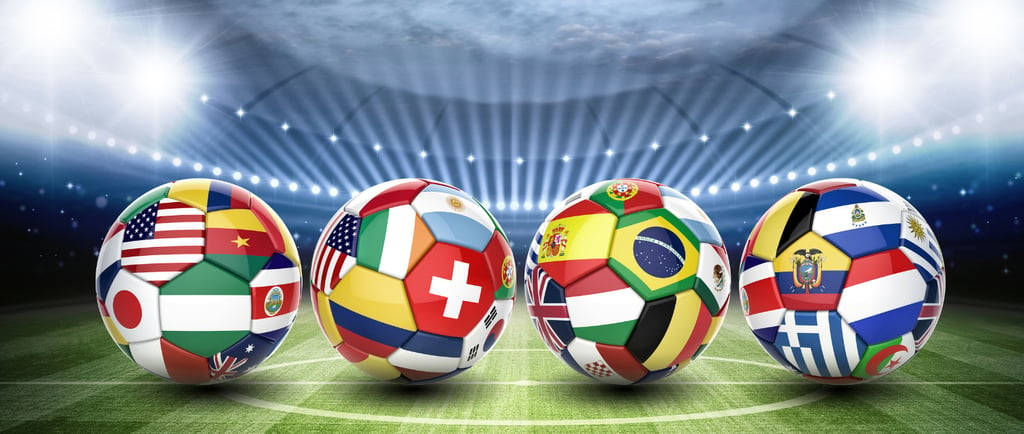
There are moments in sports where the final score doesn’t tell the whole story.
The United States lost. Again. The run ended earlier than fans hoped. The dream of a deeper World Cup push on home soil didn’t happen the way people wanted. And if you’re a U.S. soccer fan, there’s no need to pretend that part didn’t hurt.
But if you zoom out from the scoreboard, something much bigger happened this summer.
A lot of American kids watched soccer differently.
They didn’t just see a game. They saw packed stadiums. They saw flags everywhere. They saw fans singing like the match meant everything. They saw countries they may have never thought about before become part of the conversation. They saw underdogs fight. They saw stars carry the weight of nations. They saw what soccer looks like when the world brings its full emotion to it.
That matters.
Because youth sports growth happens when a kid sees something and thinks:
I want to do that.
That’s the World Cup effect.
And for soccer in the United States, this summer may have planted seeds we won’t fully see for years.
The U.S. came up short, but the sport did not
Let’s talk about the U.S. Men’s National Team first, because that’s part of the story too.
The U.S. entered this World Cup with pressure, attention, and a massive home-stage opportunity. For a while, it felt like the team was starting to pull more casual American fans into the moment. The crowds were there. The energy was there. The belief was there.
Then Belgium happened.
The U.S. lost 4-1 to Belgium in the Round of 16 in Seattle, ending the tournament in a familiar and frustrating place. Reuters reported that head coach Mauricio Pochettino said the team was “not good enough” in the exit, while still pointing to development and the foundation built over the previous year. The Guardian described the U.S. performance as ragged, with defensive mistakes, missed chances, and Belgium’s composure making the difference.
That’s hard to dress up.
The U.S. didn’t take the next big step competitively. They didn’t turn the home World Cup into a quarterfinal or semifinal breakthrough. They didn’t give American fans the ending they wanted.
But here’s the key:
A disappointing team result does not erase the tournament’s impact.
In fact, the U.S.-Belgium match reportedly drew around 30 million viewers, making it a record-setting soccer broadcast in the United States. Think about that for a second. A sport that people used to claim Americans would “never care about” just pulled a massive national audience for a knockout game, even though it ended in heartbreak.
That’s not nothing.
That’s proof that the sport is moving.
Kids don’t fall in love with soccer because adults push development
Adults love to push. Club levels. Academies. Divisions. Showcases. Rankings. Recruiting. Tryouts. Development models.
What kids love are moments.
They love a goal that makes the stadium explode. They love a player sprinting to the corner flag. They love the drama of penalties. They love the flags, the songs, the jerseys, the noise, the emotion. They love seeing an entire country live and die with every touch.
That’s what makes the World Cup different from almost every other sporting event. It gives kids more than competition. It gives them culture.
For a young American athlete, that can be powerful. A kid who plays soccer every Saturday might suddenly realize, “This is not just something I do after school. This is something the whole world cares about.” That shift matters because identity matters in youth sports. When kids feel connected to something bigger, they often engage differently.
And the timing is huge. Even before and during this tournament, soccer interest in the U.S. was rising. YouGov reported that interest in the FIFA World Cup among Americans had strengthened compared with the period before the 2022 tournament, with younger fans helping drive the sport’s growth. A report from Fox San Antonio, citing Sports & Fitness Industry Association research, noted that outdoor soccer participation in the U.S. grew by nearly 16% from 2024 to 2025.
That’s before we even know the full aftershock of kids watching this World Cup on home soil.
The boost may not show up overnight. But don’t be surprised if youth soccer signups climb, backyard goals get used more, and more kids start asking for jerseys with names from Argentina, France, England, Brazil, the U.S., Cape Verde, Belgium, Spain, or whoever captured their imagination.
That’s how sports fandom becomes sports participation.
The World Cup showed kids passion, not just performance
One of the biggest gifts of this World Cup was that it showed American kids the emotional side of soccer.
In the U.S., we sometimes talk about sports like they’re mostly about achievement: making the team, getting the scholarship, winning the tournament, moving up divisions. The World Cup reminds us that sports are also about belonging.
You could feel it in the crowds. You could see it in the fan zones. You could hear it in the chants. For families watching at home, that matters. Kids saw that soccer isn’t quiet. It isn’t boring. It isn’t “the sport Americans sort of play until high school.” It’s loud. It’s global. It’s emotional. It’s communal.
That kind of exposure can change how a kid views the game.
And it doesn’t only inspire kids who already play soccer. It can inspire the sibling who wasn’t interested before. It can inspire the parent who didn’t grow up with the sport but now understands why their kid loves it. It can inspire coaches to bring more creativity, energy, and joy into practices.
That last part is important. If the World Cup teaches us anything as youth coaches, it’s that soccer is supposed to feel alive. Practices should have rhythm. Games should have freedom. Kids should be encouraged to create, compete, and express themselves. The best World Cup moments rarely happen because a player was afraid to make a mistake. They happen because someone had the courage to try.
That’s a lesson youth soccer needs badly.
The underdog stories may matter most
The U.S. result will get plenty of attention, but some of the most powerful inspiration came from teams that reminded everyone why the World Cup is special.
Cape Verde became one of the great stories of the tournament. Reuters reported that the small island nation, with a population of around 500,000, became the least populous country to ever reach the World Cup knockout stages, earning global admiration after draws against Spain and Uruguay and a narrow extra-time loss to Argentina. Al Jazeera described Cape Verde’s run as one that made supporters proud and helped put the country on the world stage.
For kids, that kind of story is gold.
It teaches them that soccer is not only about the biggest countries, the richest leagues, or the most famous stars. It’s about belief. It’s about identity. It’s about teams that step onto the field and make the world pay attention.
That’s the kind of thing a kid remembers.
A young player in the U.S. might watch a team like Cape Verde and learn something bigger than tactics: you can be overlooked and still compete. You can come from somewhere small and still make noise. You can lose and still return home as heroes.
That’s a powerful sports lesson.
What parents should take from this World Cup
For parents, this is a great moment to lean into your kid’s excitement without turning it into pressure.
If your child suddenly wants to play more soccer because they watched the World Cup, awesome. Let them. Take them to a field. Put a ball in the backyard. Watch games together. Ask which player they liked and why. Let the sport be fun before you start turning it into a plan.
The mistake adults make is taking a spark and immediately turning it into a schedule.
Your kid says, “I want to be like that player,” and five minutes later we’re thinking private training, elite clubs, ID camps, and whether they’re behind.
Slow down.
The better response is:
“Great. Go play.”
Let them juggle in the yard. Let them dribble around cones. Let them invent moves. Let them pretend they’re taking the winning penalty in a packed stadium. That imagination is part of development.
The World Cup should make soccer feel bigger, not heavier.
What coaches should take from this World Cup
For coaches, this tournament is a reminder that kids need inspiration as much as instruction.
Yes, teach technique. Yes, build fitness. Yes, coach spacing, decisions, defending, and finishing. But don’t forget to connect kids to the joy of the game.
Ask your team what they saw. Ask them what players stood out. Ask them what countries surprised them. Use World Cup moments as practice themes. If a team pressed aggressively, build a pressing game. If a goalkeeper made a huge save, run a keeper reaction challenge. If a team showed resilience after going down a goal, talk about response.
Kids learn better when the lesson feels connected to something they care about.
This is also a great time to bring more global awareness into youth sports. The World Cup gives kids a reason to learn about other countries, cultures, flags, languages, and styles of play. That’s one of the best parts of soccer. It makes the world feel both bigger and smaller at the same time.
The Coaching Dad takeaway
The United States came up short on the field. There’s no hiding that.
But soccer in America may have taken a big step anyway.
This World Cup brought the sport into homes, stadiums, cities, backyards, and conversations across the country. It gave kids heroes. It gave them heartbreak. It gave them passion. It gave them underdog stories. It gave them a glimpse of what the world already knows: soccer can grab your heart in a way few sports can.
The U.S. team still has work to do. The player development system still has work to do. Coaches still have work to do. Parents still have to protect the joy of the sport instead of overloading kids with pressure.
But this summer mattered. Somewhere, a kid watched a match and grabbed a ball afterward.
Somewhere, a parent finally understood why their child loves the game. Somewhere, a coach got reminded that soccer is supposed to be creative, emotional, and fun.
And somewhere, the next generation of American soccer players started dreaming a little bigger. That’s the World Cup effect.
