
Winning in Youth Sports: It’s Not the Problem (It’s the Way We Coach It)
Winning in youth sports isn’t a bad thing—it only becomes a problem when it’s treated like the only thing that matters.
3/12/20266 min read

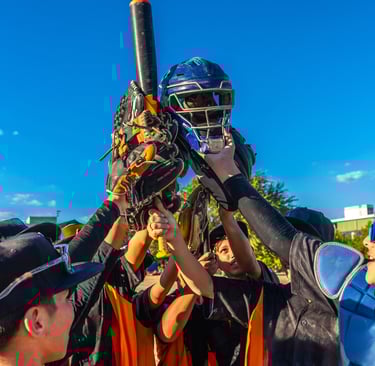
Winning gets a bad rap in youth sports.
You’ve heard it before: “Stop caring about the score.” “Winning doesn’t matter.” “If you focus on winning, you’re ruining the game for kids.”
And I get where that’s coming from—because we’ve all seen the ugly version of “winning culture.” The coach who treats kids like chess pieces. The parent who turns every car ride into a film session. The team where one mistake feels like a crime and kids play tight because they’re scared to mess up.
But here’s my position:
Winning isn’t the problem. Winning as the only thing that matters is the problem.
Kids actually like winning. They like the feeling of accomplishing something hard with their teammates. They like seeing progress show up on the scoreboard sometimes. And honestly, learning how to compete is one of the great gifts of sports—when it’s done in a healthy way.
What we really want is simple: kids who care, compete, and improve… without losing their confidence, joy, or love for the game.
That’s the sweet spot. And it’s 100% possible.
Why “winning” turns toxic (and why kids end up quitting)
If you zoom out, the bigger issue isn’t whether kids win or lose. It’s whether sports stays fun and meaningful for them.
There’s strong evidence that “fun” sits at the center of youth sports participation. A well-cited paper introducing the “Fun Integration Theory” notes that children consistently cite fun as the primary reason they play and that the lack of fun is a top reason they drop out.
Project Play has also highlighted how quickly many kids exit sports—citing data that the average child plays a sport for less than three years and quits around age 11 in one survey. (Project Play) And even though the commonly repeated “70% quit by 13” stat gets thrown around in different places, the direction is clear: a lot of kids leave, and they often leave because it stops being enjoyable.
The toxic version of “winning” usually shows up when adults create an environment where:
mistakes feel dangerous,
playing time feels like a reward for perfection,
kids tie self-worth to performance,
and the scoreboard becomes the only way anyone measures success.
That’s when winning stops being a fun outcome and starts being a pressure cooker.
The best way to coach winning: “We compete hard, and we grow hard”
Here’s what I’ve learned coaching kids: you don’t have to choose between winning and development. In fact, the healthiest teams usually improve because the coach builds development into the competitive goal.
Sports psychology has a helpful lens for this: teams can build either an “ego” climate (where being better than others is everything) or a “mastery” climate (where effort, learning, and improvement are the focus). University of Washington researchers have described mastery climates as emphasizing teamwork, doing your best, and positive communication—versus ego climates that make success about outperforming others and can lead to more anxiety and less enjoyment.
Here’s the best part: you can have high competition inside a mastery climate. It’s not soft. It’s just healthier.
The Coaching Dad version of “winning the right way”
If you want kids to compete hard without melting down over outcomes, you need a few anchor points that guide your team all season. These aren’t speeches. They’re simple standards you repeat so often that the kids start repeating them back to you.
1) Define what “winning” actually means on your team
Yes, the scoreboard counts. But don’t let it be the only score.
A healthy “winning” definition usually includes:
Effort: Did we play hard for each other?
Execution: Did we do the things we’ve been practicing?
Response: How did we handle mistakes and adversity?
Togetherness: Did we stay connected as teammates?
That gives you something to coach even when the other team is bigger, older, or simply better that day.
And it helps kids because now they can “win” at things they actually control.
2) Coach competitiveness without coaching fear
A lot of adults confuse intensity with pressure.
Intensity is: “Let’s go. Next play. Compete.”
Pressure is: “If you mess this up, we’re in trouble.”
Pressure shrinks kids. Intensity can lift them—if you keep it focused on actions, not consequences.
This also connects back to why kids play in the first place. i9 Sports (and many other youth sport orgs) emphasize that overemphasis on winning can reduce enjoyment and contribute to burnout. (i9 Sports) The point isn’t “don’t care.” It’s “don’t turn the game into a threat.”
3) Teach kids how to lose (and how to win) like it matters
One of the most underrated life skills in sports is learning to lose without spiraling—and learning to win without turning into a jerk.
A Guardian feature on youth sports and competition made the point that competition can be valuable when it happens in a psychologically safe environment—where kids’ emotions are validated and learning stays at the center.
That’s exactly right. If your kids are going to care about winning, they also need to learn:
how to shake hands when they’re mad,
how to congratulate someone who beat them,
how to handle a tough call,
how to come back next practice without shame.
Because the lesson isn’t “winning feels good.” Kids already know that.
The lesson is: your character doesn’t change based on the scoreboard.
4) Keep playing time decisions consistent with your values
This is where coaches accidentally sabotage their own message.
If you say “development matters,” but your rotations disappear the second the game is close, kids learn what you really value.
Now, I’m not saying every team must play equal minutes all the time—contexts differ. But you do need to be consistent and honest about your approach.
If you’re coaching a rec team: development and experience should stay front and center.
If you’re coaching a select team: competitiveness may be higher, but you can still build a culture where effort, attitude, and coachability matter—not just raw talent.
The fastest way to create a toxic winning environment is to make kids feel like one mistake equals the bench. That’s when they play scared.
5) Make practices “winning-friendly” by making them game-like (not punishment-like)
A lot of coaches try to “teach winning” by making kids run after losses. That usually just teaches them that losing equals pain and shame.
A better way is to build competitive reps into practice that feel fun and challenging:
short games,
small-sided competitions,
timed challenges,
score-to-stay-on drills,
“best response” points after mistakes.
This builds real competitive toughness without making the sport feel like a threat.
And it lines up with research around motivational climate: when kids perceive a mastery-involved climate—even with competition—positive outcomes like character and teamwork are more likely to show up. (ScienceDirect)
What to say to parents so “winning talk” doesn’t wreck the experience
Parents are a huge part of how kids experience winning and losing. Even when they mean well, they can accidentally teach the wrong lesson.
A simple parent message that helps a lot is:
“Cheer effort, not outcomes. Ask about what they learned, not what they scored.”
That doesn’t mean parents can’t be excited about winning. It means we want to avoid the pattern where kids think love and attention are tied to results.
Project Play has also published data showing that a meaningful percentage of parents believe their child could go pro (and that belief can contribute to pressure and urgency). (Project Play) When parents start living in a future fantasy, kids feel that weight. Keeping conversations grounded in effort and growth protects kids from feeling like they’re carrying an adult’s dream.
If you want a super practical “car ride home” script, try this:
“Did you have fun?”
“What was one thing you did better today?”
“What’s one thing you want to work on next time?”
“I loved watching you compete.”
Simple. Calm. No interrogation.
The truth: kids can handle winning goals when the environment is safe
Here’s the bottom line: kids can absolutely handle competing to win when:
mistakes are coached, not punished,
effort is praised consistently,
roles are communicated clearly,
and the scoreboard isn’t treated like a judgment of who they are.
That’s how you build athletes who compete hard and stay joyful.
And honestly, this is what most parents want too. They don’t need a trophy every weekend. They want their kid to learn, belong, improve, and feel confident. Winning becomes a bonus—not the price of admission.
